44 results for "Compounds for Induced Pluripotent Stem Cells" in Products
Compounds for Induced Pluripotent Stem Cells Products

Cell culture supplement for improving stem cell survival
Potent, selective inhibitor of TGF-βRI, ALK4 and ALK7
| Chemical Name: | 4-[4-(1,3-benzodioxol-5-yl)-5-(2-pyridinyl)-1H-imidazol-2-yl]benzamide |
| Purity: | ≥99% (HPLC) |

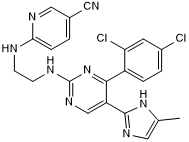
Highly selective GSK-3 inhibitor; acts as Wnt activator
| Alternate Names: | CHIR99021,CT99021 |
| Chemical Name: | 6-[[2-[[4-(2,4-Dichlorophenyl)-5-(5-methyl-1H-imidazol-2-yl)-2-pyrimidinyl]amino]ethyl]amino]-3-pyridinecarbonitrile |
| Purity: | ≥98% |

Adenylyl cyclase activator
| Alternate Names: | Coleonol,Colforsin |
| Chemical Name: | (3R,4aR,5S,6S,6aS,10S,10aR,10bS)-5-(Acetyloxy)-3-ethenyldodecahydro-6,10,10b-trihydroxy-3,4a,7,7,10a-pentamethyl-1H-naphtho[2,1-b]pyran-1-one |
| Purity: | ≥98% (HPLC) |
CHIR 99021 synthesized to cGMP guidelines
| Chemical Name: | 6-[[2-[[4-(2,4-Dichlorophenyl)-5-(5-methyl-1H-imidazol-2-yl)-2-pyrimidinyl]amino]ethyl]amino]-3-pyridinecarbonitrile |
| Purity: | ≥99% |

Selective inhibitor of TGF-βRI, ALK4 and ALK7
| Chemical Name: | 3-(6-Methyl-2-pyridinyl)-N-phenyl-4-(4-quinolinyl)-1H-pyrazole-1-carbothioamide |
| Purity: | ≥98% (HPLC) |
PORCN inhibitor; inhibits Wnt processing and secretion
| Chemical Name: | N-(6-Methyl-2-benzothiazolyl)-2-[(3,4,6,7-tetrahydro-4-oxo-3-phenylthieno[3,2-d]pyrimidin-2-yl)thio]-acetamide |
| Purity: | ≥98% (HPLC) |
SB 431542 synthesized to cGMP guidelines
| Chemical Name: | 4-[4-(1,3-benzodioxol-5-yl)-5-(2-pyridinyl)-1H-imidazol-2-yl]benzamide |
| Purity: | ≥99% |

Media supplement to boost cell growth; used as component of CEPT cocktail to enhance stem cell viability

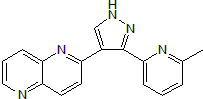
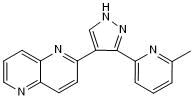
Potent and selective inhibitor of TGF-βRI
| Alternate Names: | E-616452,SJN 2511,ALK5 Inhibitor II |
| Chemical Name: | 2-[3-(6-Methylpyridin-2-yl)-1H-pyrazol-4-yl]-1,5-naphthyridine |
| Purity: | ≥99% (HPLC) |
Potent tankyrase inhibitor
| Alternate Names: | XAV939 Wnt Signaling Inhibitor |
| Chemical Name: | 3,5,7,8-Tetrahydro-2-[4-(trifluoromethyl)phenyl]-4H-thiopyrano[4,3-d]pyrimidin-4-one |
| Purity: | ≥98% (HPLC) |

T3 synthesized to Ancillary Material Grade
| Chemical Name: | O-(4-Hydroxy-3-iodophenyl)-3,5-diiodo-L-tyrosine |
| Purity: | ≥98% |
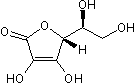
Enhances the generation of iPSCs; increases reprogramming efficiency
| Alternate Names: | L-Ascorbate,Vitamin C |
| Chemical Name: | 3-Oxo-L-gulofuranolactone |
| Purity: | ≥99% (HPLC) |
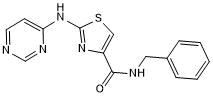
ROCK inhibitor; improves the efficiency of fibroblast reprogramming and induction of iPSCs
| Chemical Name: | N-Benzyl-[2-(pyrimidin-4-yl)amino]thiazole-4-carboxamide |
| Purity: | ≥98% (HPLC) |
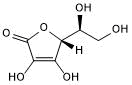
L-Ascorbic acid synthesized to Ancillary Material Grade
| Chemical Name: | 3-Oxo-L-gulofuranolactone |
| Purity: | ≥99% |
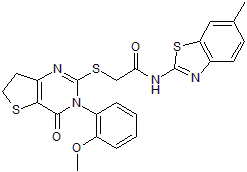
Potent inhibitor of Wnt/β-catenin signaling
| Chemical Name: | N-(6-Methyl-2-benzothiazolyl)-2-[(3,4,6,7-tetrahydro-3-(2-methoxyphenyl)-4-oxothieno[3,2-d]pyrimidin-2-yl)thio]-acetamide |
| Purity: | ≥98% (HPLC) |
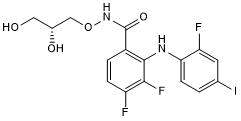
Potent inhibitor of MEK1/2
| Alternate Names: | PD325901 |
| Chemical Name: | N-[(2R)-2,3-Dihydroxypropoxy]-3,4-difluoro-2-[(2-fluoro-4-iodophenyl)amino]benzamide |
| Purity: | ≥99% (HPLC) |
Prototypical PI 3-kinase inhibitor; also inhibits other kinases
| Chemical Name: | 2-(4-Morpholinyl)-8-phenyl-4H-1-benzopyran-4-one hydrochloride |
| Purity: | ≥99% (HPLC) |

Sterile-filtered 10 mM solution of CHIR 99021 pre-dissolved in DMSO
| Chemical Name: | 6-[[2-[[4-(2,4-Dichlorophenyl)-5-(5-methyl-1H-imidazol-2-yl)-2-pyrimidinyl]amino]ethyl]amino]-3-pyridinecarbonitrile |
| Purity: | ≥97% (HPLC) |
Histone deacetylase inhibitor
| Alternate Names: | VPA,Sodium Valproate |
| Chemical Name: | Sodium 2-propylpentanoate |

Wnt/β-catenin signaling inhibitor; axin stabilizer
| Chemical Name: | rel-4-[(3aR,4S,7R,7aS)-1,3,3a,4,7,7a-Hexahydro-1,3-dioxo-4,7-methano-2H-isoindol-2-yl]-N-8-quinolinylbenzamide |
| Purity: | ≥98% (HPLC) |

EZH2 histone methyltransferase inhibitor
| Alternate Names: | DZNep,NSC 617989,HY-12186 |
| Chemical Name: | (1S,2R,5R)-5-(4-Amino-1H-imidazo[4,5-c]pyridin-1-yl)-3-(hydroxymethyl)-3-cyclopentene-1,2-diol hydrochloride |
| Purity: | ≥98% (HPLC) |

XAV 939 synthesized to cGMP guidelines
| Chemical Name: | 3,5,7,8-Tetrahydro-2-[4-(trifluoromethyl)phenyl]-4H-thiopyrano[4,3-d]pyrimidin-4-one |
| Purity: | ≥99% |

RepSox synthesized to Ancillary Material Grade
| Alternate Names: | ALK5 Inhibitor II,SJN 2511,E-616452 |
| Chemical Name: | 2-[3-(6-Methylpyridin-2-yl)-1H-pyrazol-4-yl]-1,5-naphthyridine |
| Purity: | ≥99% |
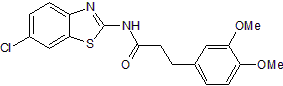
Inhibits canonical Wnt signaling. Promotes differentiation of human ESCs and iPSCs into cardiomyocytes
| Chemical Name: | N-(6-Chloro-2-benzothiazolyl)-3,4-dimethoxybenzenepropanamide |
| Purity: | ≥98% (HPLC) |