CEACAM-5/CD66e: Proteins and Enzymes

CEACAM-5, also known as CEA and CD66e, belongs to the large family of CEACAM and pregnancy specific glycoproteins. CEACAM molecules are either transmembrane or GPI-linked, and are differentially expressed between species. Orthologs of human CEACAM-5 have not been described in other species. CEACAM-5, which is expressed primarily by epithelial cells, consists of an N-terminal Ig like V-set domain followed by six Ig-like C2-set domains and a GPI anchor. CEACAM-5 is synthesized as a 180 kDa, variably glycosylated molecule of which approximately 60% is carbohydrate. CEACAM-5 functions as a calcium independent adhesion molecule through homophilic and heterophilic interactions with CEACAM-1.

CEACAM-5 is restricted to the apical face of intestinal epithelial cells in the adult but is more diffuse during embryonic development and in tumors. This is consistent with a role in the development and maintenance of epithelial architecture. CEACAM-5 is upregulated in a wide variety of human tumors and is a commonly used cancer marker. It promotes tumor cell migration, invasion, adhesion, and metastasis. CEACAM-5 also contributes to tumor formation by maintaining cellular proliferation in the presence of differentiation stimuli, and by blocking apoptosis following loss of ECM anchorage (anoikis).

Show More

7 results for "CEACAM-5/CD66e Proteins and Enzymes" in Products

7 results for "CEACAM-5/CD66e Proteins and Enzymes" in Products

CEACAM-5/CD66e: Proteins and Enzymes

CEACAM-5, also known as CEA and CD66e, belongs to the large family of CEACAM and pregnancy specific glycoproteins. CEACAM molecules are either transmembrane or GPI-linked, and are differentially expressed between species. Orthologs of human CEACAM-5 have not been described in other species. CEACAM-5, which is expressed primarily by epithelial cells, consists of an N-terminal Ig like V-set domain followed by six Ig-like C2-set domains and a GPI anchor. CEACAM-5 is synthesized as a 180 kDa, variably glycosylated molecule of which approximately 60% is carbohydrate. CEACAM-5 functions as a calcium independent adhesion molecule through homophilic and heterophilic interactions with CEACAM-1.

CEACAM-5 is restricted to the apical face of intestinal epithelial cells in the adult but is more diffuse during embryonic development and in tumors. This is consistent with a role in the development and maintenance of epithelial architecture. CEACAM-5 is upregulated in a wide variety of human tumors and is a commonly used cancer marker. It promotes tumor cell migration, invasion, adhesion, and metastasis. CEACAM-5 also contributes to tumor formation by maintaining cellular proliferation in the presence of differentiation stimuli, and by blocking apoptosis following loss of ECM anchorage (anoikis).

Show More
Applications: AC

Analyzed by SEC-MALS, His-tag

Source: NS0
Accession #: Q8N4D0
Applications: Bind
Source: NS0
Accession #: Q3UKK2.1
Applications: BA
Recombinant Mouse CEACAM-5/CD66e Fc Chimera Protein Binding Activity
(2)

HEK293 Expressed Protein

Source: HEK293
Accession #: NP_004354.3
Applications: BA
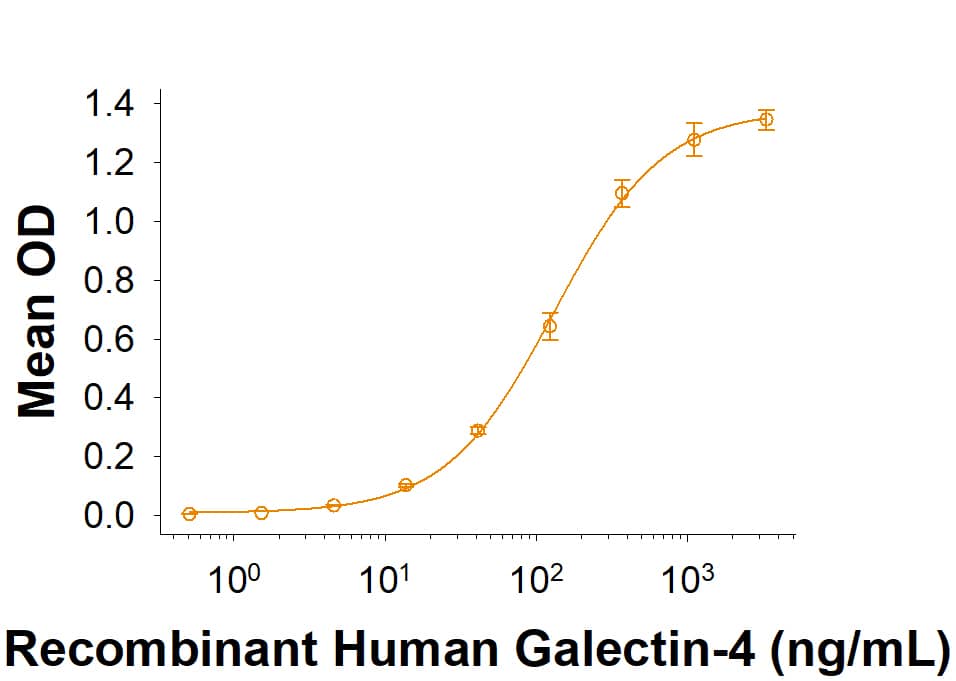
Recombinant Human CEACAM-5/CD66e Fc Chimera Protein Binding Activity
(2)

Biotinylated

Source: CHO
Accession #: NP_004354.3
Applications: BA, BA
(2)

Biotinylated

Source: CHO
Accession #: NP_004354.3
Applications: BA
Recombinant Human CEACAM-5/CD66e His-tag Avi-tag Protein Binding Activity
(2)
Source: NS0
Accession #: Q3UKK2.1
Applications: BA
Recombinant Mouse CEACAM-5/CD66e His-tag Protein Binding Activity
(2)
Results Per Page
5 10 25 50
/ 1