


113 results for "Tie-1" in Products
Tie-1 Products
Tie-1/Tie and Tie-2/Tek are receptor tyrosine kinases with unique structural characteristics including two immunoglobulin-like domains flanking three epidermal growth factor (EGF)-like domains, followed by three fibronectin type III-like repeats in the extracellular region, and a split tyrosine kinase domain in the cytoplasmic region. Tie-2 is a receptor for the angiopoietin (ANG) family: ANG-1, ANG-2, and ANG-3 (mouse)/-4 (human). It is involved in vascular stabilization and remodeling. ...


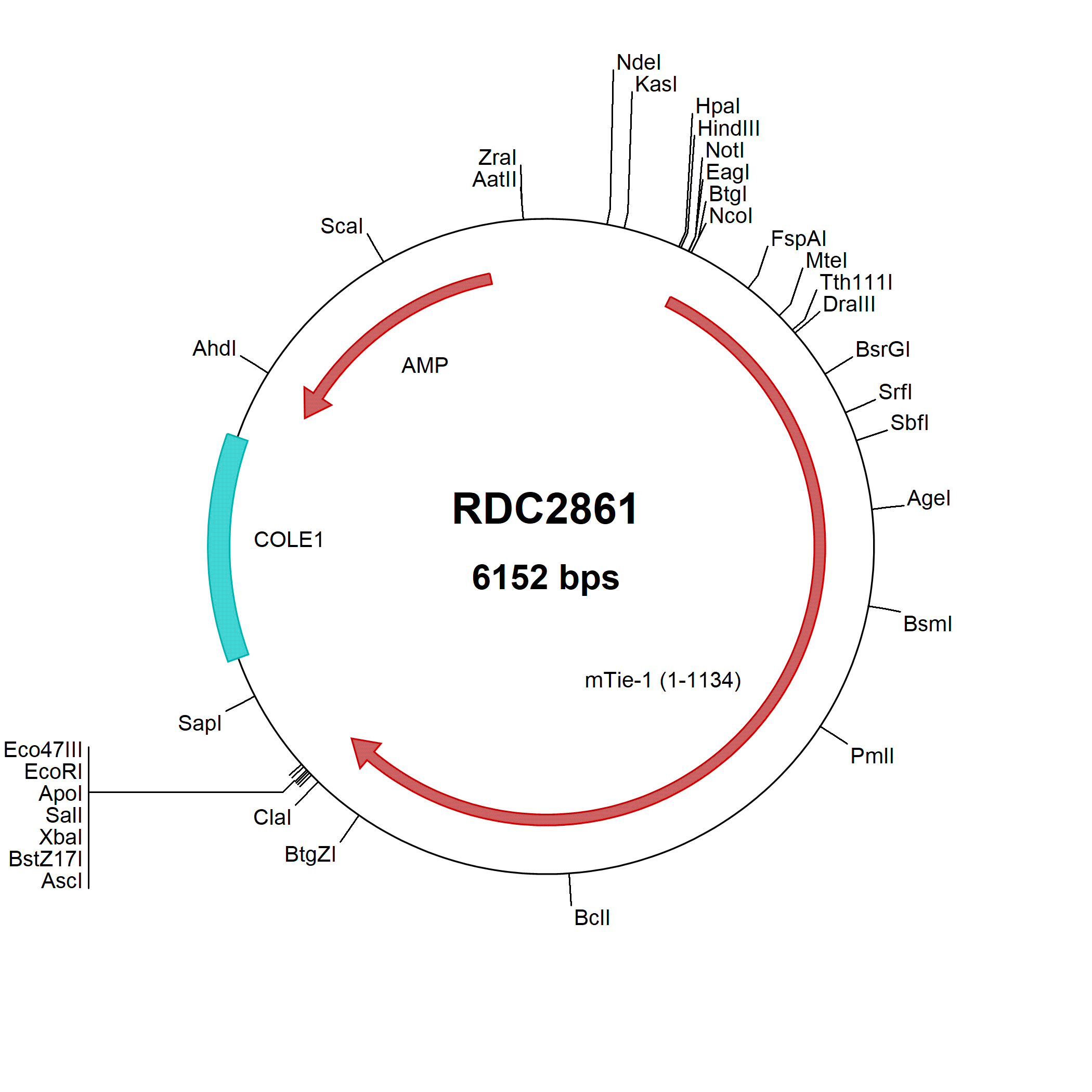
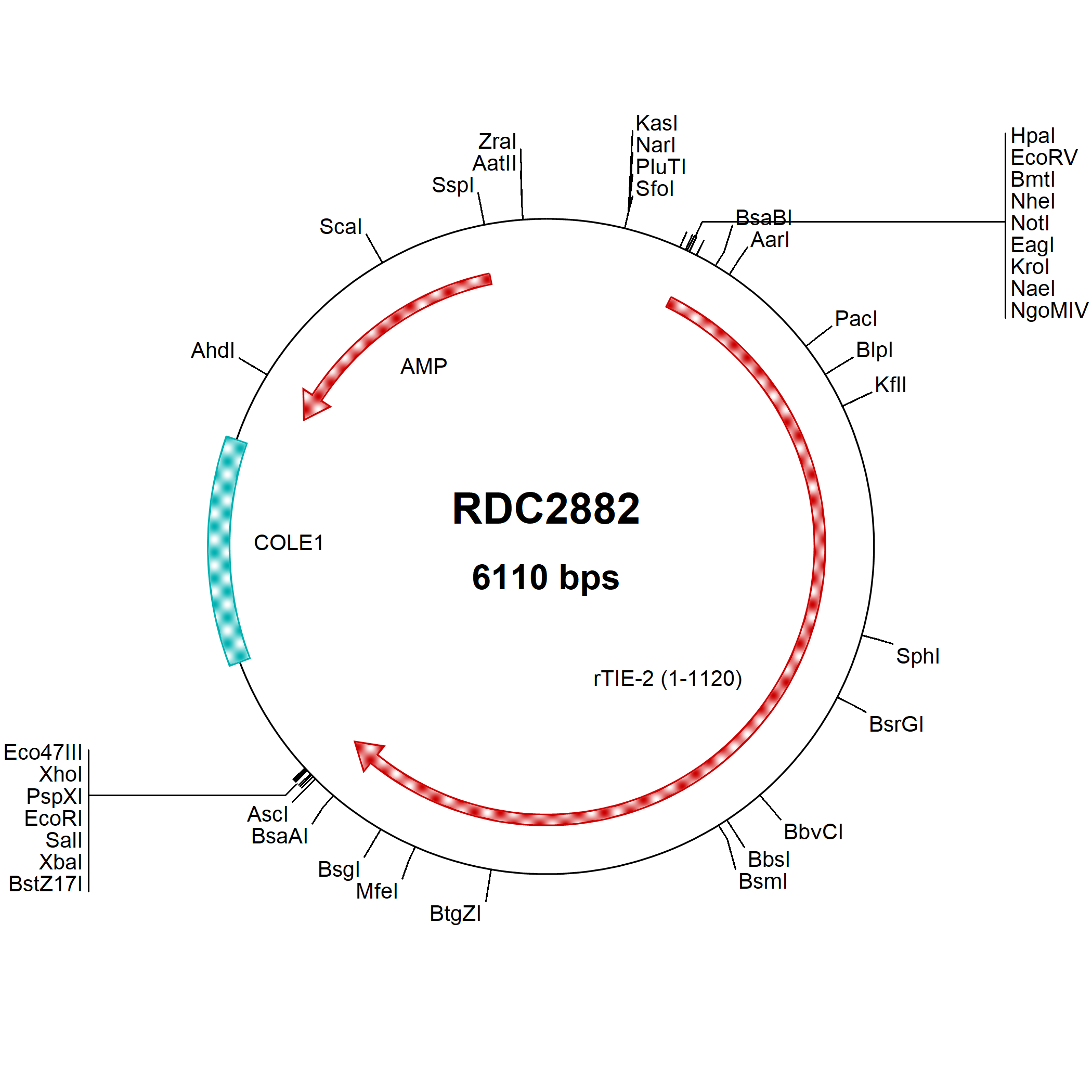
| Reactivity: | Human |
| Details: | Mouse IgG1 Monoclonal Clone #88016 |
| Applications: | WB, IHC, ICC |
Conjugate
Catalog #

![Fish Tie-1 ELISA Kit (Colorimetric) ELISA: Fish Tie-1 ELISA Kit (Colorimetric) [NBP3-53678]](https://resources.bio-techne.com/images/products/elisa/nbp3-53678_-elisa-639197509076656821.png "ELISA: Fish Tie-1 ELISA Kit (Colorimetric) [NBP3-53678]")
| Reactivity: | Human |
| Details: | Goat IgG Polyclonal |
| Applications: | WB |
Conjugate
Catalog #
| Assay Range: | 156 - 10,000 pg/mL |
| Applications: | ELISA |

| Reactivity: | Human |
| Details: | Goat IgG Polyclonal |
| Reactivity: | Human |
| Details: | Goat IgG Polyclonal |
| Reactivity: | Human |
| Details: | Mouse IgG1 Monoclonal Clone #88016 |
| Reactivity: | Human |
| Details: | Goat IgG Polyclonal |

| Reactivity: | Human |
| Details: | Goat IgG Polyclonal |
| Applications: | WB, Flow, IHC, CyTOF-ready |

Conjugate
Catalog #
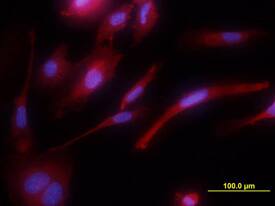
| Reactivity: | Human |
| Details: | Mouse IgG1 Monoclonal Clone #88016 |
| Applications: | WB, IHC, ICC |
Conjugate
Catalog #
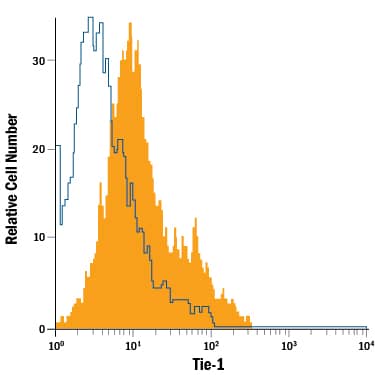
| Reactivity: | Human |
| Details: | Goat IgG Polyclonal |
| Applications: | Flow |
Conjugate
Catalog #
| Reactivity: | Human |
| Details: | Goat IgG Polyclonal |
| Applications: | WB, Flow, IHC, CyTOF-ready |
Conjugate
Catalog #
| Reactivity: | Human |
| Details: | Goat IgG Polyclonal |
| Applications: | WB, Flow, IHC, CyTOF-ready |
Conjugate
Catalog #
| Reactivity: | Human |
| Details: | Goat IgG Polyclonal |
| Applications: | WB, Flow, IHC, CyTOF-ready |
Conjugate
Catalog #
| Reactivity: | Human |
| Details: | Goat IgG Polyclonal |
| Applications: | WB, Flow, IHC, CyTOF-ready |
Conjugate
Catalog #
| Reactivity: | Human |
| Details: | Goat IgG Polyclonal |
| Applications: | WB, Flow, IHC, CyTOF-ready |
Conjugate
Catalog #
| Reactivity: | Human |
| Details: | Goat IgG Polyclonal |
| Applications: | WB, Flow, IHC, CyTOF-ready |
Conjugate
Catalog #
| Reactivity: | Human |
| Details: | Goat IgG Polyclonal |
| Applications: | WB, Flow, IHC, CyTOF-ready |
Conjugate
Catalog #
| Reactivity: | Human |
| Details: | Goat IgG Polyclonal |
| Applications: | WB, Flow, IHC, CyTOF-ready |
Conjugate
Catalog #