

Immunoassays for Every Stage of Your Workflow

From our renowned R&D Systems ELISA kits and Luminex® assays to our fully automated Simple Plex™ and Simple Western™ systems, you can count on our immunoassays to deliver accurate, high-quality data consistently over time.
At the core of each of our immunoassays are our carefully tested, in-house antibodies, proteins, and specialized diluents—all highly specific, reproducible, and tested to ensure the most accurate, reliable, and trusted results.
Starting with a single analyte? Looking for multiplexing capabilities? Need a custom solution? Whatever your needs, you can trust our immunoassays to deliver precise, accurate results the first time and every time.
Data You Can Trust—The First Time, Every Time

Quantikine ELISAs
Quantikine ELISAs
Legendary reproducibility has helped make our Quantikine ELISA Kits the most trusted name in ELISAs. Carefully selected antibody pairs and optimally formulated diluents help ensure accurate and reproducible results from one experiment to the next. Choose from over 600 target analytes.

Luminex Assays
Luminex Assays
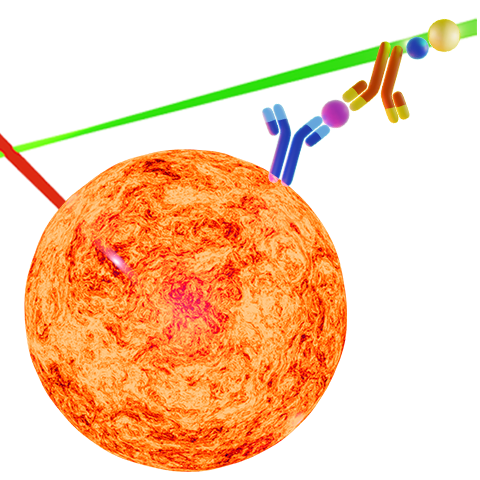
Our Luminex Assays are designed to maximize multiplexing capacity and flexibility while maintaining assay specificity. Personalize your Luminex panel with the largest, mix and match menu on the market. Choose from hundreds of analytes across multiple species.

Simple Plex Assays™
Simple Plex Assays™
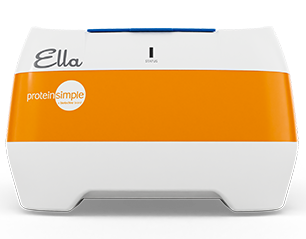
Simple Plex assays on the Ella platform bring a higher level of precision and automation to your immunoassay workflow. Ella’s multi-sample, ready-to-go cartridges let you run up to four immunoassays per sample, all at once. You get highly reproducible validated results in less than 90 minutes, with no manual steps.
Simple Western™ Technology
Simple Western™ Technology
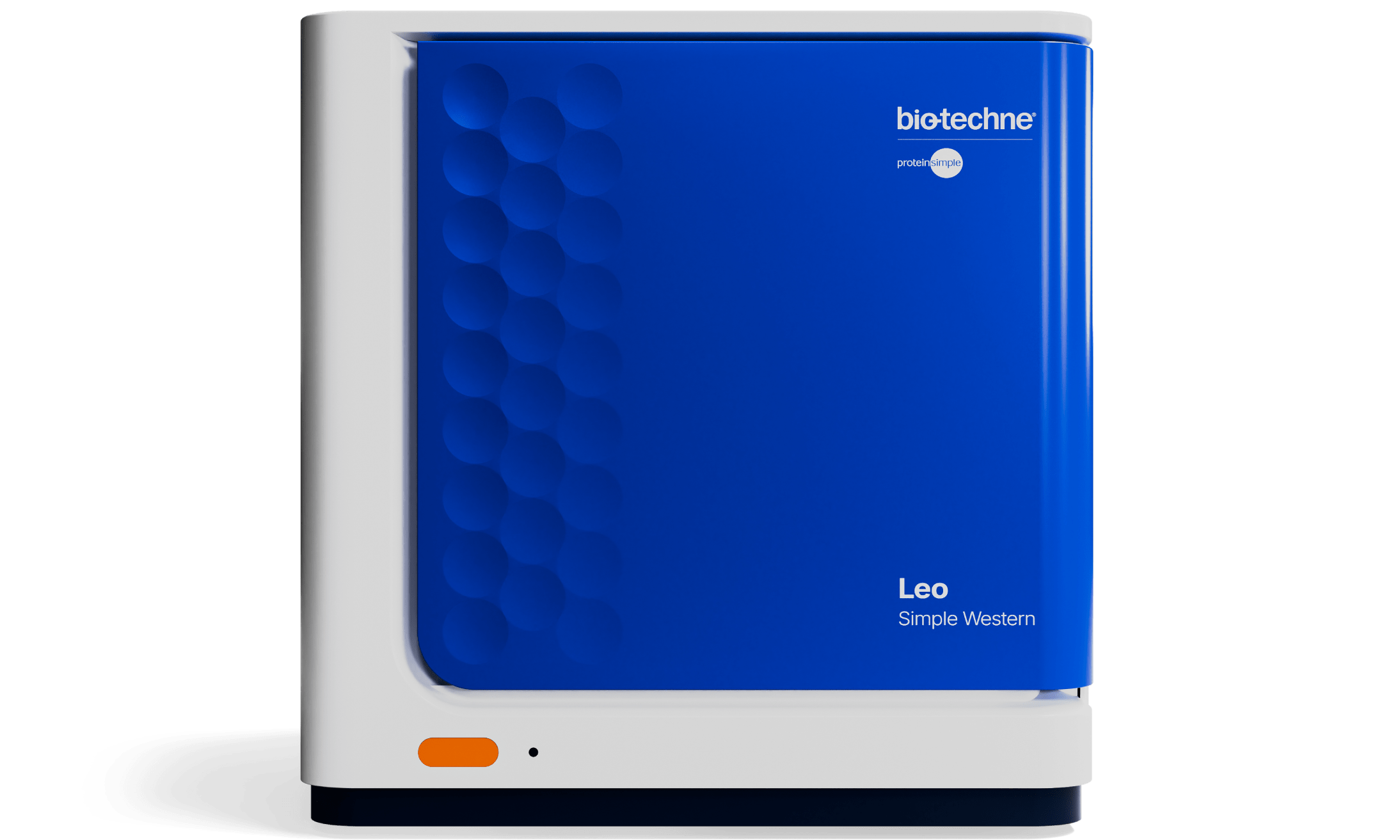
Automated capillary immunoassay systems powered by Simple Western technology provide absolute quantitation to measure endogenous protein expression in cell or tissue lysates. Process up to 100 samples in 3 hours with only 3-5 µL of lysate samples. Multiplex across three different detection channels, and double your data with RePlex to analyze your samples by immunoassay and total protein in the same run.
Consistent Performance - Reliable Results

DuoSet ELISAs
DuoSet ELISAs
Our DuoSet ELISA development kits contain all the essential components needed to develop a sandwich ELISA to measure recombinant and natural proteins. DuoSet assays offer a cost-efficient alternative to buying separate antibodies and proteins and optimizing your own assay. Choose from a selection of over 1,000 single-analyte DuoSet ELISAs.
ELISPot Kits
ELISPot Kits
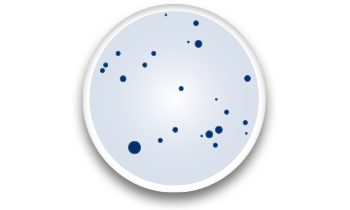
Highly sensitive, microplate-based ELISpot assays provide efficient, accurate detection of cytokine secreting cells. Kits are available for the detection and enumeration of a single analyte. Complete ELISpot kits are ready-to-run and require no assay development or refinement.

Proteome Profiler Arrays
Proteome Profiler Arrays
Simple and economical Proteome Profiler Antibody Arrays allow for the measurement of up to 119 proteins in a sample. Quickly assess complex signaling responses with no specialized equipment required. All arrays utilize chemiluminescence for detection and select arrays are also suitable for use with the LI-COR® and FluorChem™ detection systems.
ELISA Antibodies
In addition to ready-to-use ELISA kits, we also provide high-quality antibodies that enable researchers to build a custom ELISA.
Choose from:
Support Products
Bio-Techne also offers an assortment of support products for developing ELISAs and validating their performance, including protein standards, ELISA Immunodetection kits, and more.
Choose from:
Immunoassay Quality at the Core
From the raw materials we put in them to the scientists that develop them, we ensure quality every step of the way.
| Core Reagents | Building consistent, reproducible assays hinges on high-quality raw materials. At the center of all Bio-Techne immunoassays are our proteins, antibodies, and specialized diluents. |
|---|---|
| Expertise | Our deep experience in developing and manufacturing immunoassays allows us to produce the most consistent and reliable assays capable of delivering superior accuracy and precision. |
| Accuracy | Assay interference common in complex sample matrixes can be overcome with careful choice of reagents and specialized diluents, helping to ensure you get the most accurate and reliable results. |
| Quality Control | Rigorous quality control of ever raw material and every assay kit allows us to deliver assays that remain consistent and highly reproducible over time. |
| Custom Services | Build the assay that best fits for your experimental needs using our customized immunoassay solutions. Services include species testing, qualification, modification of an existing assay, and new immunoassay development. |


Immuno-oncology Research
Immuno-oncology Research
Superior precision and accuracy of Bio-Techne immunoassays can help uncover new views into the role of proteins in cancer and accelerate protein-based therapeutics.

Unique Animal Model Systems
Unique Animal Model Systems
From Luminex multiplex assays to our gold standard Quantikine ELISAs, explore Bio-Techne’s expansive line of immunoassays for unique animal model systems.


Cell and Gene Therapy
Cell and Gene Therapy
From optimized Luminex assays to fully automated ELISAs, Bio-Techne immunoassays are designed to provide superior performance for every stage in your cell and gene therapy workflow.

Assays for COVID-19 Research
Assays for COVID-19 Research
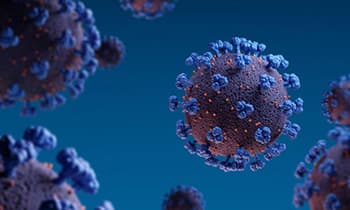
Explore Bio-Techne’s range of multi-antigen serology assays for fast, accurate quantitative characterization of serum or plasma human IgG antibodies.
Immunoassay Options from Discovery to Validation

Identify the Best Immunoassay to Fit Your Needs
Kit | Number of Analytes | Format | Benefit | Sample Volume | Assay Time | Instrument |
|---|---|---|---|---|---|---|
| Quantikine ELISA | 1 | 96-well plate | Most Published Low CV's | 10-200µL | 3-5 Hours | Plate Reader |
| Quantikine QuicKit | 1 | 96-well plate | Simplified Protocol Results in 90 mins | 50µL | 1.5 Hours | Plate Reader |
| Quantikine HS ELISA | 1 | 96-well plate | Highest Sensitivity | 10-200µL | 4-4.5 Hours | Plate Reader |
| DuoSet ELISAs | 1 | Flexible | Economical Largest Menu Flexible | 100µL | 20 Hours | Plate Reader |
| Simple Plex Assays | Up to 8 | Cartridge | Hands-Free Sensitive | 2.5-25µL | 1.5 Hours | ELLA |
| Simple Western Assays | At least 1 | Cartridge | Automated, Sensitive, Reproducible | 3µL | 3 Hours | Simple Western |
| Luminex High-Performance Assays | Up to 45 | Bead-based | Completely Optimized Panels | 25µL | 4 Hours | Luminex |
| Luminex Discovery Assays | Up to 50 | Bead-based | Most Flexible Panels | 25µL | 4 Hours | Luminex |
| Proteome Profiler Arrays | Up to 119 | Membrane Array | Largest Screening Capabilities | 50-500µL | 20 Hours | Imaging System |

Luminex Users Guide
Luminex Users Guide
Learn how your workflow can benefit with Luminex multiplex immunoassays. Generate quantitative data on up to 50 targets simultaneously. Build your own custom panel or select from a predefined panel.
ELISA Best Practices
ELISA Best Practices
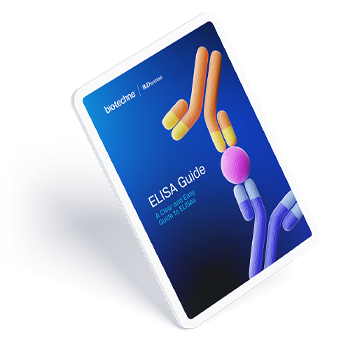
Learn about different types of ELISA kits, sample preparation, and which immunoassay is right for you. Download this informative guide to learn more.
Why Quality Matters
Why Quality Matters
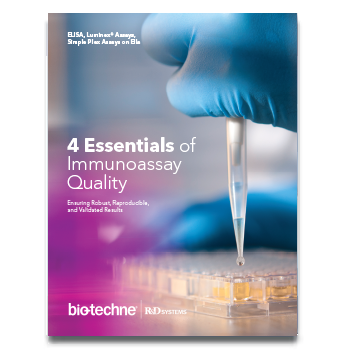
Producing reliable, reproducible results is essential to drive your research forward. Learn how Bio-Techne integrates the four fundamentals of quality to deliver the most trusted, reliable immunoassays on the market.
10 ELISA Best Practices and Techniques
Wanting to get the most out of your immunoassay, follow the tips and tricks used by Bio-Techne scientists throughout the development process.

Technical Documents

Luminex Application Note
Luminex Application Note
Learn how Bio-Techne scientists tested the hypothesis and confirmed that its Luminex® Assays are compatible with standard fixation protocols.
Automated Host Cell Measurement
Automated Host Cell Measurement
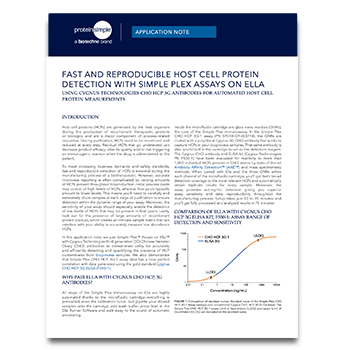
Learn how to achieve fast and reproducible host cell protein detection with Simple Plex assays on Ella.

Quantify Secreted T Cell Activation Markers
Quantify Secreted T Cell Activation Markers
Simple Plex assays on the Ella platform offer a rapid and precise assessment of secreted T cell activation markers to boost cell therapy development and manufacturing efficiency.
What's in Your Sample?
Learn about our different immunoassay platforms, what's new, and our menu of analytes. Find which features are best for your needs. Watch our immunoassay video.

T Cell-Based Therapies eBook
This new eBook provides an overview of several biological and manufacturing challenges facing the development and production of T cell therapies. It follows with examples of how Bio-Techne products and services can address these challenges at each stage of the process.

Efficiently Profile Brain Biomarkers Using Luminex Panels
“The Luminex Porcine panel proved instrumental in giving us the high-quality data we needed”
– Elizabeth Rick, Research Scientist at Oregon Health & Sciences University (OHSU)
Customer Success Stories

Jecure Therapeutics

Harvard University
Awards & Recognition
Luminex® is a Registered Trademark of Luminex Corporation.