CD4: Proteins and Enzymes

CD4 is a transmembrane glycoprotein that is expressed predominantly on thymocytes and a subset of mature T lymphocytes. It is a standard phenotype marker for the identification of T cell populations. CD4 is expressed along with CD8 on double positive T cells during their development in the thymus. Either CD4 or CD8 expression is then lost, giving rise to single positive (SP) CD4+ or CD8+ mature T cells. CD4+ SP cells, also known as T helper cells, further differentiate into multiple subsets of CD4+ cells including Th1, Th2, Th9, Th17,Th22, Tfh, and Treg cells which regulate humoral and cellular immunity. In human, CD4 is additionally expressed on macrophages, neutrophils, monocytes, NK cells, and neurons and glial cells in the brain. CD4 binds directly to MHC class II molecules on antigen presenting cells. This interaction contributes to the formation of the immunological synapse which is focused around the TCR-MHC class II-antigenic peptide interaction. CD4 also functions as a chemotactic receptor for IL-16 and, in human, as a coreceptor for the gp120 surface glycoprotein of HIV-1.

Show More

15 results for "CD4 Proteins and Enzymes" in Products

15 results for "CD4 Proteins and Enzymes" in Products

CD4: Proteins and Enzymes

CD4 is a transmembrane glycoprotein that is expressed predominantly on thymocytes and a subset of mature T lymphocytes. It is a standard phenotype marker for the identification of T cell populations. CD4 is expressed along with CD8 on double positive T cells during their development in the thymus. Either CD4 or CD8 expression is then lost, giving rise to single positive (SP) CD4+ or CD8+ mature T cells. CD4+ SP cells, also known as T helper cells, further differentiate into multiple subsets of CD4+ cells including Th1, Th2, Th9, Th17,Th22, Tfh, and Treg cells which regulate humoral and cellular immunity. In human, CD4 is additionally expressed on macrophages, neutrophils, monocytes, NK cells, and neurons and glial cells in the brain. CD4 binds directly to MHC class II molecules on antigen presenting cells. This interaction contributes to the formation of the immunological synapse which is focused around the TCR-MHC class II-antigenic peptide interaction. CD4 also functions as a chemotactic receptor for IL-16 and, in human, as a coreceptor for the gp120 surface glycoprotein of HIV-1.

Show More
Source: CHO
Accession #: P01730.1
Applications: BA
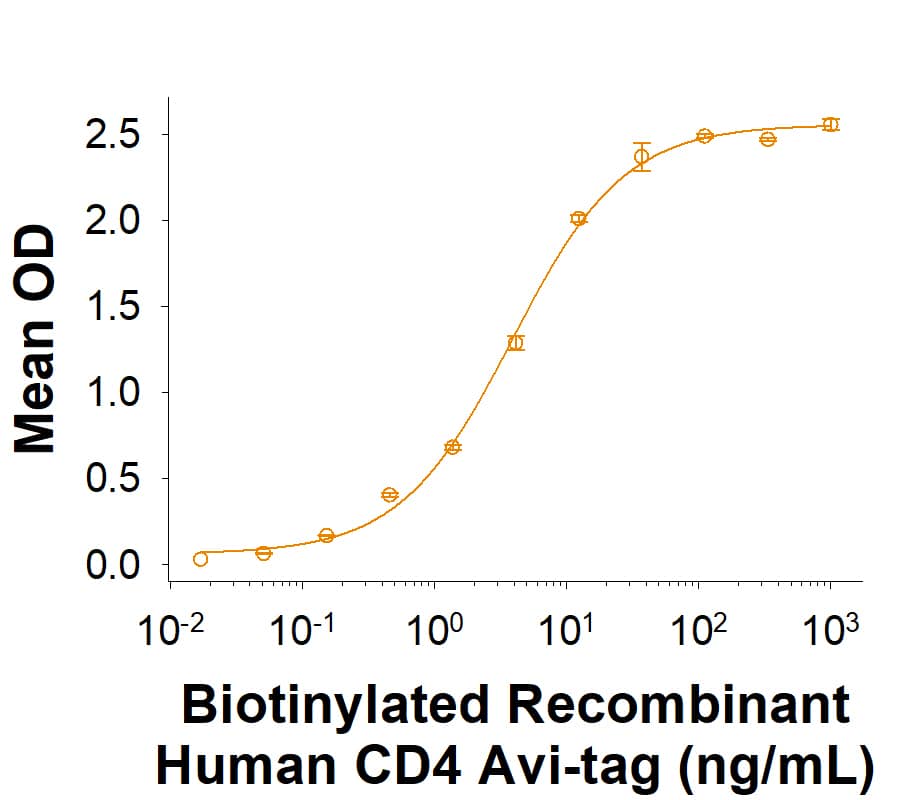
Recombinant Human CD4 Protein Bioactivity
(2)
Source: Sf 21 (baculovirus)
Accession #: P01730.1
Applications: BA
R&D Systems Recombinant Proteins and Enzymes
Source: NS0
Accession #: P06332.1
Applications: BA
Recombinant Mouse CD4 His-tag Protein Bioactivity
(2)
Source: NS0
Accession #: P05540
Applications: BA
R&D Systems Recombinant Proteins and Enzymes
Source: CHO
Accession #: P01730.1
Applications: BA
Source: CHO
Accession #: P79185.1
Applications: BA
Source: CHO
Accession #: P79185.1
Applications: BA
(2)

Biotinylated

Source: CHO
Accession #: P01730.1
Applications: BA
(2)
Source: NS0
Accession #: NP_001009250
Applications: BA
R&D Systems Recombinant Proteins and Enzymes
Source: NS0
Accession #: P33705
R&D Systems Recombinant Proteins and Enzymes
Source: NS0
Applications: BA
R&D Systems Recombinant Proteins and Enzymes
Applications: AC
Applications: AC
Applications: PAGE
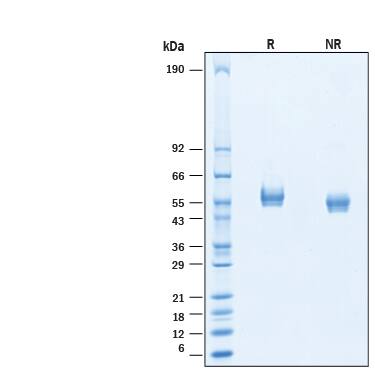
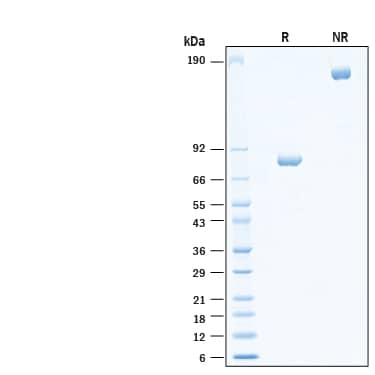
SDS-PAGE: Recombinant Human CD4 His Protein [NBP2-50553]
Applications: AC
Results Per Page
5 10 25 50
/ 1