


1337 results for "p53" in Products
p53 Products
p53 is well known for its key role as a tumor suppressor protein. It is 393 amino acids (aa) in length with a predicted molecular weight of 44 kDa. It belongs to the p53 family that also includes p63 and p73. Structurally, p53 is characterized by an N-terminal transactivation domain, central DNA-binding and oligomerization domains, and a C-terminal regulatory domain. It is thought to exist as a homotetramer, and it exhibits approximately 72% and 76% aa identity with its mouse and rat ...
| Reactivity: | Human, Mouse, Rat |
| Details: | Goat IgG Polyclonal |
| Applications: | WB |
Conjugate
Catalog #
| Reactivity: | Human, Mouse, Rat |
| Details: | Goat IgG Polyclonal |
| Applications: | WB, Simple Western, IP, ChIP, ICC, +1 More |

Conjugate
Catalog #
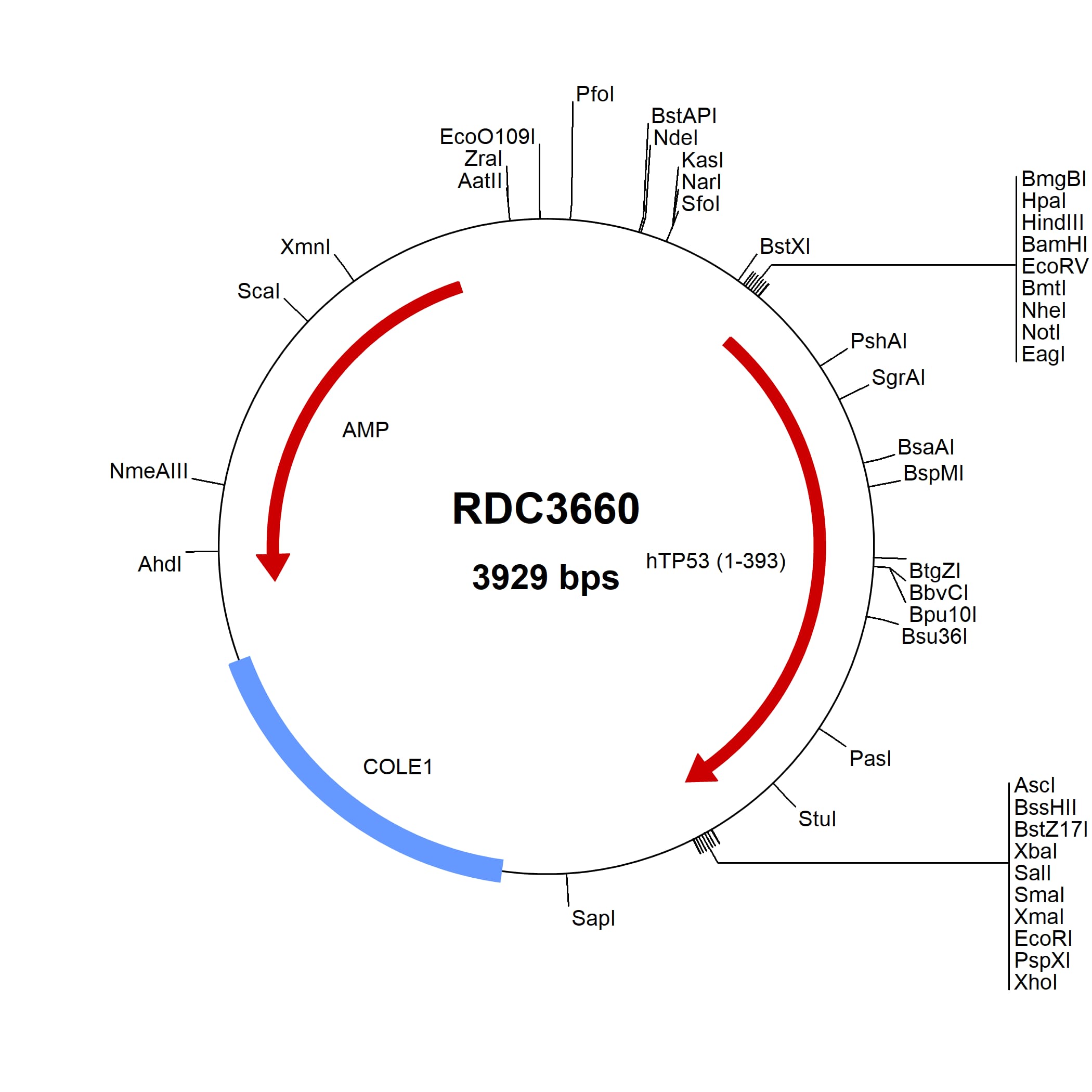
| Reactivity: | Human, Mouse, Rat |
| Details: | Mouse IgG2b Monoclonal Clone #184721 |
| Applications: | WB, IP, ICC |

Conjugate
Catalog #
| Applications: | Func |
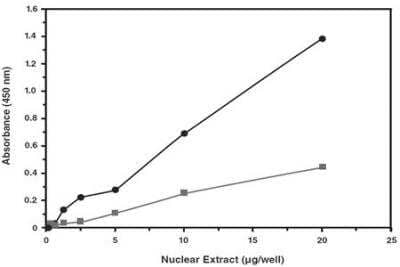

| Reactivity: | Human |
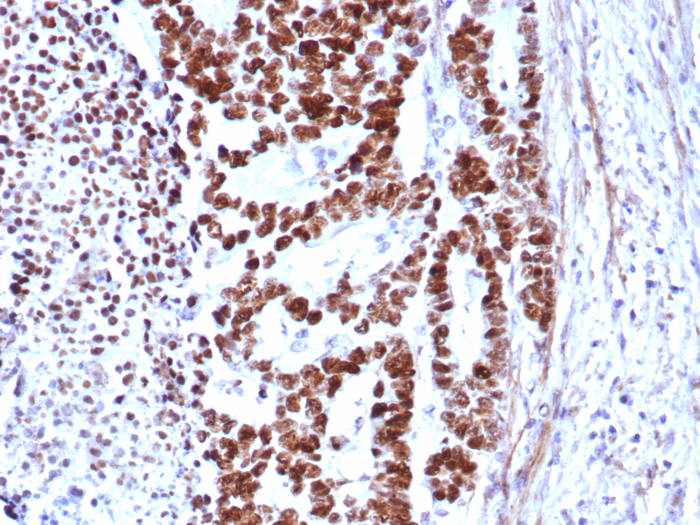
| Details: | Mouse IgG1 kappa Monoclonal Clone #rTP53/8579 |
| Applications: | IHC |
Conjugate
Catalog #
Forumulation
Catalog #
| Reactivity: | Human, Mouse, Rat, Canine, Monkey, +1 More |
| Details: | Mouse IgG2b Kappa Monoclonal Clone #PAb122 |
| Applications: | ELISA, CyTOF-ready, Endotoxin |
Conjugate
Catalog #
Forumulation
Catalog #
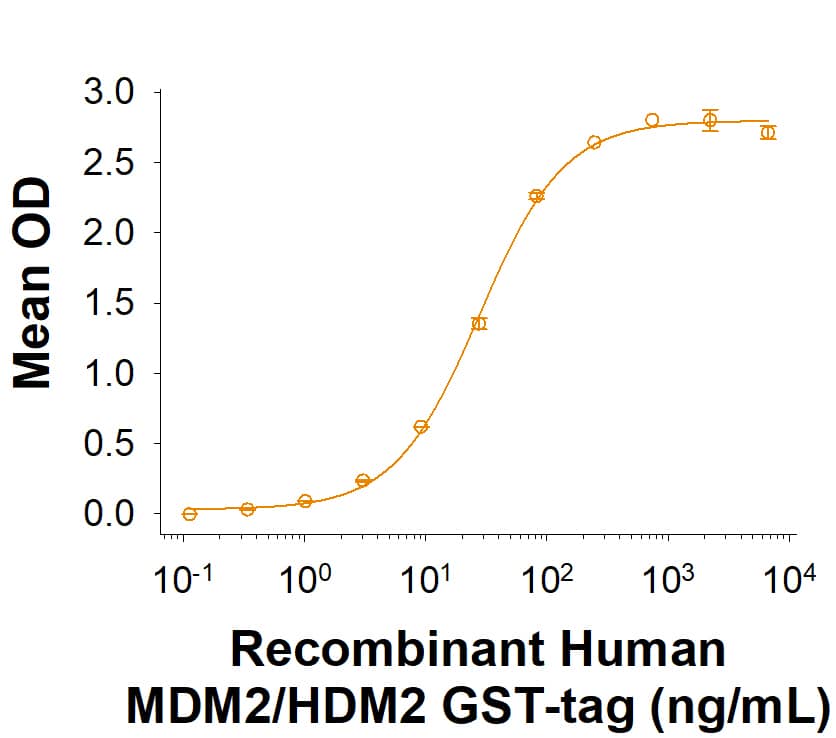
| Source: | E. coli |
| Applications: | BA |
| Reactivity: | Human, Mouse, Rat, Yeast, Xenopus (Negative) |
| Details: | Mouse IgG1 kappa Monoclonal Clone #PAb 240 |
| Applications: | IHC, WB, ELISA, ICC/IF, Flow, +2 More |
![Western Blot: p53 Antibody (PAb 240)BSA Free [NB200-103]](https://resources.bio-techne.com/images/products/p53-Antibody-PAb-240-Western-Blot-NB200-103-img0001.jpg "Western Blot: p53 Antibody (PAb 240)BSA Free [NB200-103]")
Conjugate
Catalog #
Forumulation
Catalog #

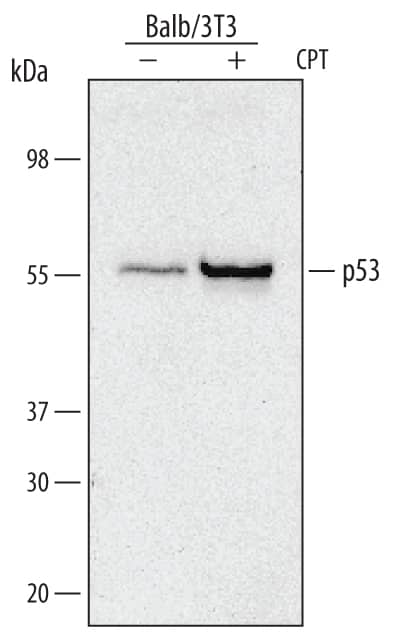
| Reactivity: | Mouse |
| Details: | Rat IgG2b Monoclonal Clone #197643 |
| Applications: | IP |
Conjugate
Catalog #
| Reactivity: | Human |
| Details: | Rabbit IgG Monoclonal Clone #2589A |
| Applications: | WB, IHC, ICC |
Conjugate
Catalog #
| Reactivity: | Mouse |
| Details: | Rat IgG2b Monoclonal Clone #197643 |
| Applications: | IP |
Conjugate
Catalog #
| Reactivity: | Human, Mouse, Rat |
| Details: | Goat IgG Polyclonal |
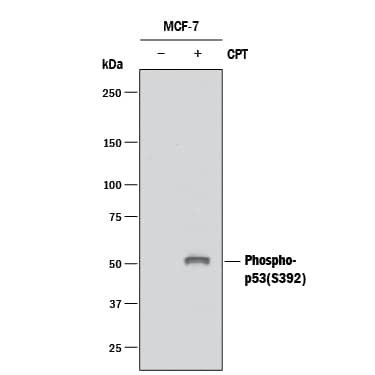
| Reactivity: | Human |
| Details: | Rabbit IgG Monoclonal Clone #2185A |
| Applications: | WB, ICC |
Conjugate
Catalog #
| Reactivity: | Human |
| Details: | Mouse IgG2b Monoclonal Clone #184727 |
| Reactivity: | Human |
| Details: | Mouse IgG2b Monoclonal Clone #184727 |
| Reactivity: | Human |
| Details: | Mouse IgG2b Monoclonal Clone #184727 |
| Reactivity: | Human |
| Details: | Rabbit IgG Monoclonal Clone #2589A |
| Reactivity: | Human |
| Details: | Rabbit IgG Polyclonal |
| Applications: | WB, IHC, IP, ICC |

Conjugate
Catalog #
| Reactivity: | Human |
| Details: | Rabbit IgG Polyclonal |
| Reactivity: | Human |
| Details: | Rabbit IgG Monoclonal Clone #1022G |
| Reactivity: | Human |
| Details: | Rabbit IgG Monoclonal Clone #2185A |
| Reactivity: | Human, Rat |
| Details: | Rabbit IgG Polyclonal |
| Applications: | WB |
![Western Blot: p53 [p Ser392] Antibody [NB200-156]](https://resources.bio-techne.com/images/products/p53-[p-Ser392]-Antibody-Western-Blot-NB200-156-img0001.jpg "Western Blot: p53 [p Ser392] Antibody [NB200-156]")
| Reactivity: | Human, Mouse, Rat |
| Details: | Goat IgG Polyclonal |
| Applications: | WB |

Conjugate
Catalog #
| Reactivity: | Human, Monkey, Bovine |
| Details: | Mouse IgG2a Kappa/IgG2b Kappa Monoclonal Clone #BP53-12 + DO-7 |
| Applications: | IHC, WB, ICC/IF, Flow, CyTOF-ready |
![Immunohistochemistry-Paraffin: p53 Antibody (BP53-12 + DO-7) - Azide and BSA Free [NBP2-34563]](https://resources.bio-techne.com/images/products/p53-Antibody-BP53-12-+-DO-7-Azide-and-BSA-Free-Immunohistochemistry-Paraffin-NBP2-34563-img0001.jpg "Immunohistochemistry-Paraffin: p53 Antibody (BP53-12 + DO-7) - Azide and BSA Free [NBP2-34563]")
Conjugate
Catalog #
Forumulation
Catalog #