
CD3 epsilon Antibody (145-2C11)
Novus Biologicals, part of Bio-Techne | Catalog # NBP2-30151

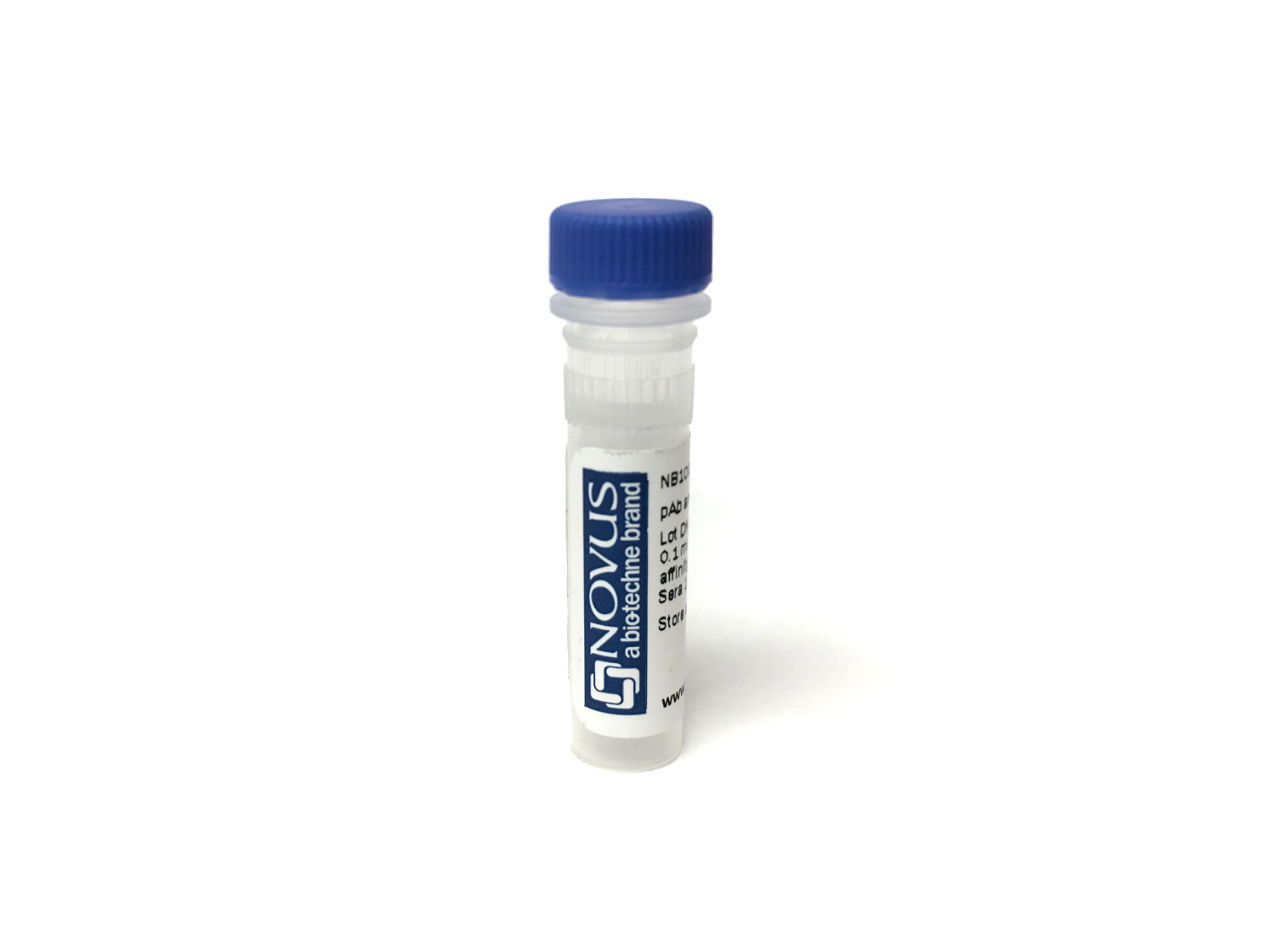
Discontinued Product
NBP2-30151 has been discontinued.
View all CD3 epsilon products.
Key Product Details
Species Reactivity
Validated:
Mouse
Cited:
Human, Mouse
Applications
Validated:
Flow Cytometry, Immunocytochemistry/ Immunofluorescence, Immunoprecipitation
Cited:
Flow Cytometry, Immunocytochemistry/ Immunofluorescence
Label
Unconjugated
Antibody Source
Monoclonal Armenian Hamster IgG Clone # 145-2C11
Concentration
0.5 mg/ml
Product Specifications
Immunogen
H-2Kb specific cytotoxic T lymphocyte clone BM10-37
Reactivity Notes
Mouse.
Specificity
Binds to lymphocytes from all mouse strains tested and does not react with cells from rats, rabbits, miniature swine, or hamsters. Binds to the CD3 epsilon -chain present on T-lymphocyes and thymocytes. Its binding has been characterized with respect to several other monoclonal anti-CD3 antibodies.
Clonality
Monoclonal
Host
Armenian Hamster
Isotype
IgG
Applications for CD3 epsilon Antibody (145-2C11)
Application
Recommended Usage
Flow Cytometry
0.5 - 2 ug/2x10^6 cells
Application Notes
Use in Immunocytochemistry/immunofluorescence reported in scientific literature (PMID: 27246324).
Formulation, Preparation, and Storage
Purification
Protein G purified
Formulation
PBS, 0.05% BSA
Preservative
0.05% Sodium Azide
Concentration
0.5 mg/ml
Shipping
The product is shipped with polar packs. Upon receipt, store it immediately at the temperature recommended below.
Stability & Storage
Store at 4C short term. Aliquot and store at -20C long term. Avoid freeze-thaw cycles.
Background: CD3 epsilon
Alternate Names
CD3e
Gene Symbol
CD3E
Additional CD3 epsilon Products
Product Documents for CD3 epsilon Antibody (145-2C11)
Product Specific Notices for CD3 epsilon Antibody (145-2C11)
This product is for research use only and is not approved for use in humans or in clinical diagnosis. Primary Antibodies are guaranteed for 1 year from date of receipt.
Loading...
Loading...
Loading...
Loading...
Loading...