
Bassoon Antibody (L124/59) [FL594] - Chimeric
Novus Biologicals, part of Bio-Techne | Catalog # NBP3-52405
Recombinant Monoclonal Antibody

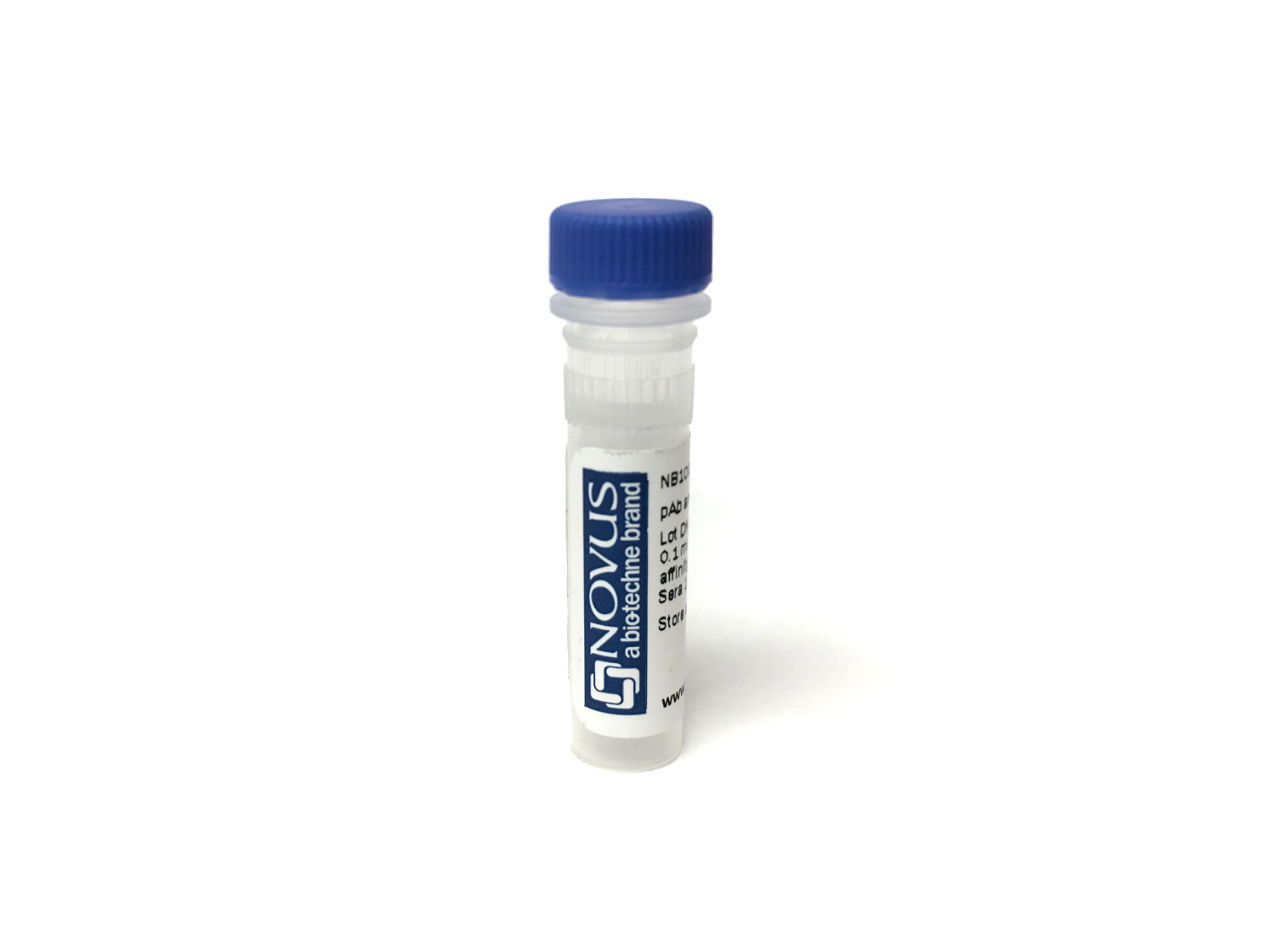
Conjugate
Catalog #
Key Product Details
Species Reactivity
Mouse, Rat
Applications
Immunohistochemistry-Paraffin, Immunocytochemistry/ Immunofluorescence
Label
FL594
Antibody Source
Recombinant Monoclonal Chicken IgY Clone # L124/59
Concentration
0.5 mg/ml
Product Specifications
Immunogen
Fusion protein amino acids 157-517 (zinc finger domains) of rat Bassoon (Uniprot#: O88778) produced recombinantly in E. Coli
Clonality
Monoclonal
Host
Chicken
Isotype
IgY
Description
FL594 Excitation: 594 nm, Emission: 615nm.
Each order is a unique lot. For specialized requirements, please inquire for available options.
This recombinant antibody is a chimeric antibody created by replacing the mouse heavy and light constant regions of clone L124/59 with chicken IgY heavy and light constant regions. As such this antibody retains the same binding performance as the original clone L124/59 but can be detected using standard anti-chicken secondary antibodies allowing flexibility for multiplexing applications. This antibody is expressed recombinantly in HEK293 cells and then affinity purified from the cell culture media and conjugated.
Each order is a unique lot. For specialized requirements, please inquire for available options.
This recombinant antibody is a chimeric antibody created by replacing the mouse heavy and light constant regions of clone L124/59 with chicken IgY heavy and light constant regions. As such this antibody retains the same binding performance as the original clone L124/59 but can be detected using standard anti-chicken secondary antibodies allowing flexibility for multiplexing applications. This antibody is expressed recombinantly in HEK293 cells and then affinity purified from the cell culture media and conjugated.
Applications for Bassoon Antibody (L124/59) [FL594] - Chimeric
Application
Recommended Usage
Immunocytochemistry/ Immunofluorescence
1:100
Immunohistochemistry-Paraffin
1:100
Formulation, Preparation, and Storage
Purification
Affinity purified
Formulation
1X PBS (pH 7.4)
Preservative
0.05% Sodium Azide
Concentration
0.5 mg/ml
Shipping
The product is shipped with polar packs. Upon receipt, store it immediately at the temperature recommended below.
Stability & Storage
Store at 4C in the dark.
Background: Bassoon
Alternate Names
bassoon (presynaptic cytomatrix protein)
Gene Symbol
BSN
Additional Bassoon Products
Product Documents for Bassoon Antibody (L124/59) [FL594] - Chimeric
Product Specific Notices for Bassoon Antibody (L124/59) [FL594] - Chimeric
This product is for research use only and is not approved for use in humans or in clinical diagnosis. Primary Antibodies are guaranteed for 1 year from date of receipt.
Loading...
Loading...
Loading...
Loading...
Loading...