51 results for "Compounds for Stem Cell Differentiation Small Molecules and Peptides" in Products
Compounds for Stem Cell Differentiation: Small Molecules and Peptides

γ-secretase inhibitor; induces neuronal differentiation; blocks Notch signaling
| Chemical Name: | (2S)-N-[(3,5-Difluorophenyl)acetyl]-L-alanyl-2-phenyl]glycine 1,1-dimethylethyl ester |
| Purity: | ≥99% (HPLC) |

Potent and selective ALK2 and ALK3 inhibitor; inhibits BMP4 signaling; promotes neural induction of hPSCs
| Alternate Names: | LDN 193189 2HCl |
| Chemical Name: | 4-[6-[4-(1-Piperazinyl)phenyl]pyrazolo[1,5-a]pyrimidin-3-yl]quinoline dihydrochloride |
| Purity: | ≥98% (HPLC) |
Glutathione (GSH) precursor; maintains stem cell function in culture.
| Chemical Name: | (2R)-2-Acetamido-3-sulfanylpropanoic acid |
| Purity: | ≥98% (HPLC) |
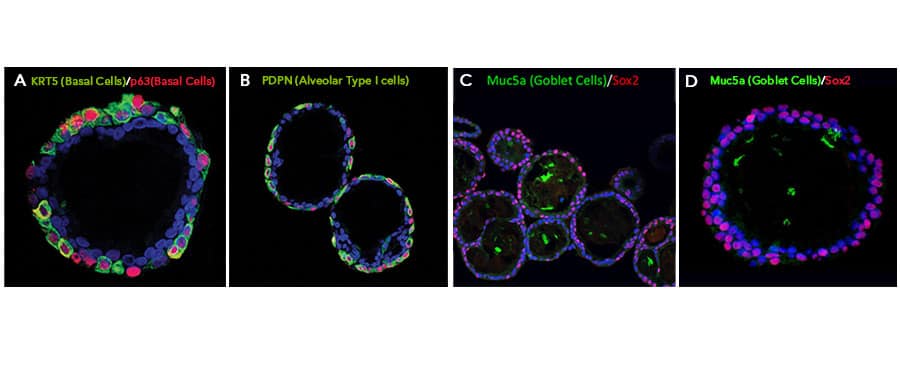
Ascorbic acid derivative; maintains differentiation potential in bone marrow-derived MSCs
| Chemical Name: | 2-(Dihydrogen phosphate)-L-ascorbic acid sodium salt |
| Purity: | ≥95% (HPLC) |
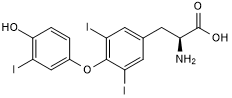
Thyroid hormone; also promotes differentiation of oligodendroglial precursor cells
| Chemical Name: | O-(4-Hydroxy-3-iodophenyl-3,5-diiodo-L-tyrosine |
| Purity: | ≥98% (HPLC) |
Selective ALK2 inhibitor
| Chemical Name: | 4-[6-[4-(1-Methylethoxy)phenyl]pyrazolo[1,5-a]pyrimidin-3-yl]-quinoline |
| Purity: | ≥98% (HPLC) |

T3 synthesized to Ancillary Material Grade
| Chemical Name: | O-(4-Hydroxy-3-iodophenyl)-3,5-diiodo-L-tyrosine |
| Purity: | ≥98% |
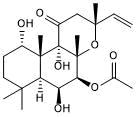
Forskolin synthesized to Ancillary Material Grade
| Chemical Name: | (3R,4aR,5S,6S,6aS,10S,10aR,10bS)-5-(Acetyloxy)-3-ethenyldodecahydro-6,10,10b-trihydroxy-3,4a,7,7,10a-pentamethyl-1H-naphtho[2,1-b]pyran-1-one |
| Purity: | ≥98% |
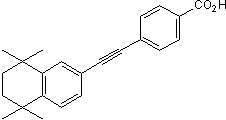
Synthetic retinoid; induces differentiation of stem cells
| Chemical Name: | 4-[2-(5,6,7,8-Tetrahydro-5,5,8,8-tetramethyl-2-naphthalenyl)ethynyl)-benzoic acid |
| Purity: | ≥99% (HPLC) |
Smo receptor agonist
| Chemical Name: | 9-Cyclohexyl-N-[4-(4-morpholinyl)phenyl]-2-(1-naphthalenyloxy)-9H-purin-6-amine |
| Purity: | ≥98% (HPLC) |
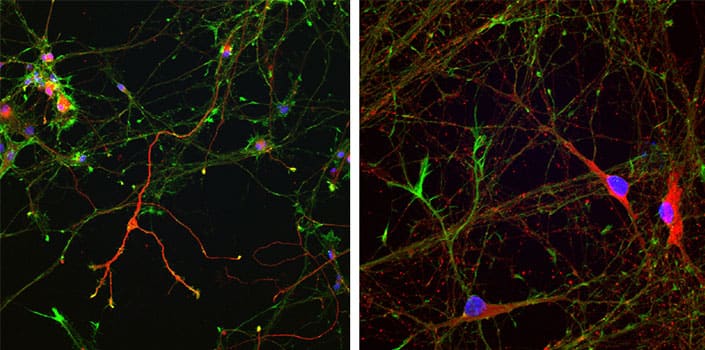
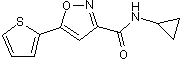
Neurogenic agent; induces neuronal differentiation of SVZ progenitors and also induces cardiomyogenic differentiation
| Chemical Name: | N-Cyclopropyl-5-(2-thienyl)-3-isoxazolecarboxamide |
| Purity: | ≥98% (HPLC) |
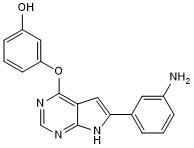
Potent GSK3 inhibitor; induces neuronal and CD8(+) T cell differentiation
| Chemical Name: | 3-[[6-(3-Aminophenyl)-7H-pyrrolo[2,3-d]pyrimidin-4-yl]oxy]phenol |
| Purity: | ≥97% (HPLC) |
Endogenous retinoic acid receptor agonist
| Alternate Names: | Tretinoin,ATRA |
| Chemical Name: | 3,7-Dimethyl-9-(2,6,6-trimethyl-1-cyclohexen-1-yl)-2E,4E,6E,8E,-nonatetraenoic acid |
| Purity: | ≥98% (HPLC) |

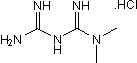
Activator of LKB1/AMPK; antidiabetic agent
| Chemical Name: | N,N-Dimethylimidodicarbonimidic diamide hydrochloride |
5-HT reuptake inhibitor
| Chemical Name: | N-Methyl-3-[(4-trifluoromethyl)phenoxy]-3-phenylpropylamine hydrochloride |
| Purity: | ≥98% (HPLC) |

Potent AMPK inhibitor; also BMP type I receptor inhibitor
| Alternate Names: | Compound C,BML-275 |
| Chemical Name: | 6-[4-[2-(1-Piperidinyl)ethoxy]phenyl]-3-(4-pyridinyl)-pyrazolo[1,5-a]pyrimidine dihydrochloride |
| Purity: | ≥98% (HPLC) |

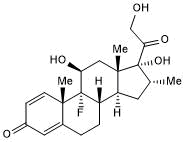
Anti-inflammatory glucocorticoid
| Chemical Name: | (11β,16α)-9-Fluoro-11,17,21-trihydroxy-16-methyl-pregna-1,4-diene-3,20-dione |
| Purity: | ≥98% (HPLC) |

AMPK activator
| Chemical Name: | N1-(β-D-Ribofuranosyl)-5-aminoimidazole-4-carboxamide |
| Purity: | ≥99% (HPLC) |

DAPT synthesized to Ancillary Material Grade
| Chemical Name: | (2S)-N-[(3,5-Difluorophenyl)acetyl]-L-alanyl-2-phenylglycine 1,1-dimethylethyl ester |
| Purity: | ≥99% |

Endogenous agonist of LPA1 and LPA2
| Chemical Name: | 1-O-9Z-Octadecenoyl-sn-glyceryl-3-phosphoric acid sodium salt |

LDN 193189 synthesized to cGMP guidelines
| Chemical Name: | 4-[6-[4-(1-Piperazinyl)phenyl]pyrazolo[1,5-a]pyrimidin-3-yl]quinoline dihydrochloride |
| Purity: | ≥99% |

Dexamethasone synthesized to Ancillary Material Grade
| Chemical Name: | (11β,16α)-9-Fluoro-11,17,21-trihydroxy-16-methylpregna-1,4-diene-3,20-dione |
| Purity: | ≥98% |
Promotes ESCs/iPSCs differentiation into pancreatic endocrine islet cells
| Chemical Name: | 5,5'-[(2-Hydroxy-1,3-propanediyl)bis(oxy)]bis[4-oxo-4H-1-benzopyran-2-carboxylic acid] disodium salt |
| Purity: | ≥98% (HPLC) |

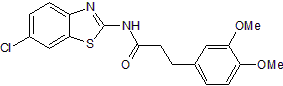
Inhibits canonical Wnt signaling. Promotes differentiation of human ESCs and iPSCs into cardiomyocytes
| Chemical Name: | N-(6-Chloro-2-benzothiazolyl)-3,4-dimethoxybenzenepropanamide |
| Purity: | ≥98% (HPLC) |
Adenylyl cyclase activator
| Alternate Names: | Coleonol,Colforsin |
| Chemical Name: | (3R,4aR,5S,6S,6aS,10S,10aR,10bS)-5-(Acetyloxy)-3-ethenyldodecahydro-6,10,10b-trihydroxy-3,4a,7,7,10a-pentamethyl-1H-naphtho[2,1-b]pyran-1-one |
| Purity: | ≥98% (HPLC) |