


205 results for "PILR-alpha" in Products
PILR-alpha Products
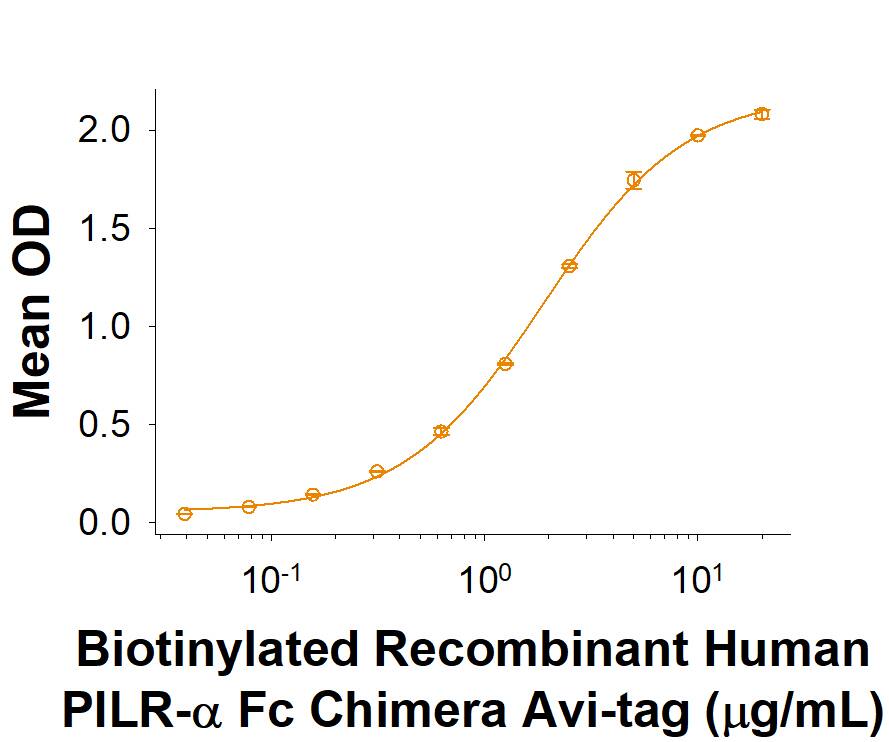
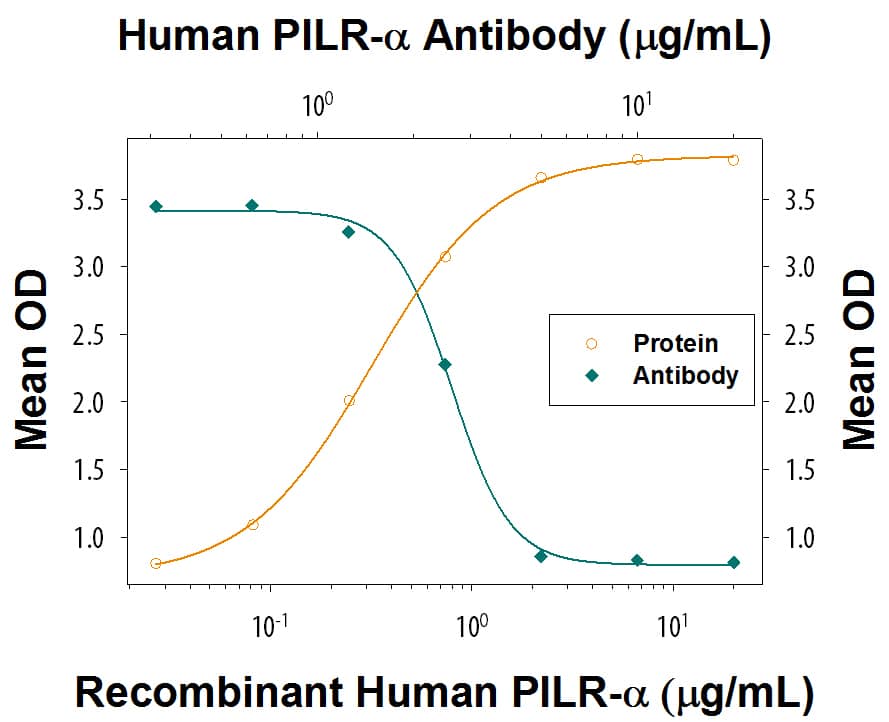
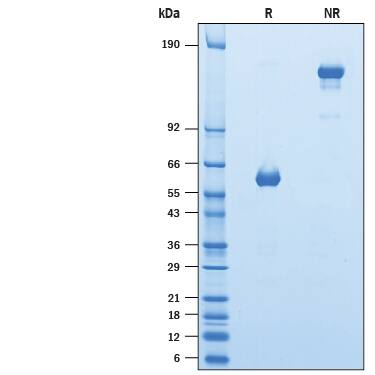
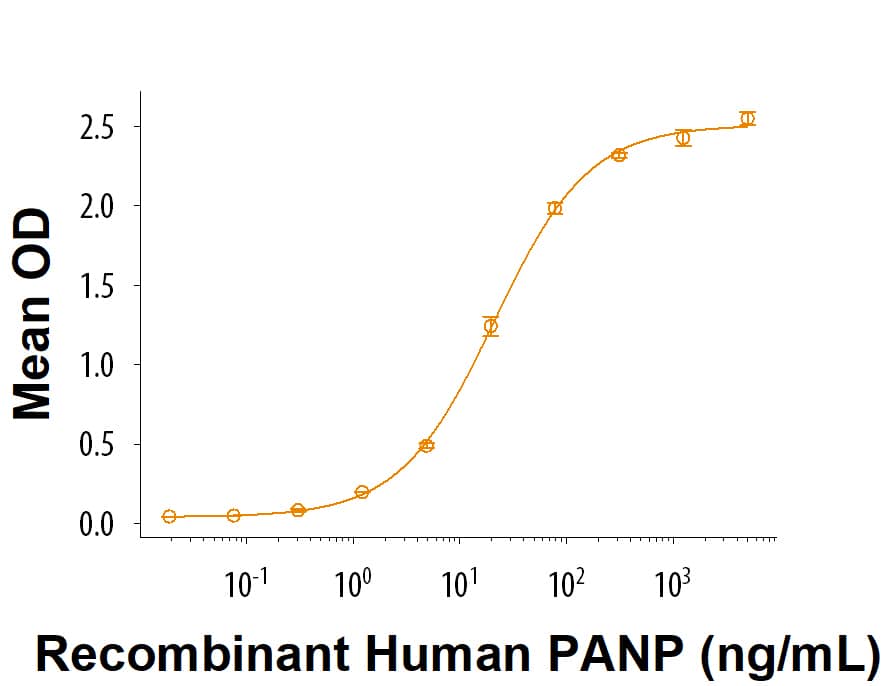
PILR-alpha (paired immunoglobulin-like type 2 receptor-alpha; also named FDF03) is one of two members of a small family of immunoregulatory Ig-superfamily receptors. It is a counterpart to PILR-beta and it likely gave rise to PILR-beta through gene duplication and rearrangement. The PILRs represent one of many pairs of Ig-like domain-containing receptors that participate in immune regulation. PILR-alpha and -beta should not be confused with the similarly named PIRs (also paired ...
| Source: | CHO |
| Accession #: | Q9UKJ1.3 |
| Applications: | BA, BA |


| Reactivity: | Human |
| Details: | Rabbit IgG Monoclonal Clone #2175B |
| Applications: | Flow, Neut |
Conjugate
Catalog #
| Source: | CHO |
| Accession #: | Q9UKJ1.3 |
| Applications: | BA |
| Source: | CHO |
| Accession #: | Q9UKJ1.3 |
| Applications: | BA |
| Reactivity: | Human |
| Details: | Rabbit IgG Monoclonal Clone #2175D |
| Applications: | Flow |
Conjugate
Catalog #

| Applications: | ELISA |
| Reactivity: | Human |
| Details: | Sheep IgG Polyclonal |
| Applications: | Flow, CyTOF-ready |
Conjugate
Catalog #
| Reactivity: | Human |
| Details: | Rabbit IgG Monoclonal Clone #2175B |
| Applications: | Flow |
Conjugate
Catalog #
| Reactivity: | Human |
| Details: | Mouse IgG2a Monoclonal Clone #462415 |
| Applications: | WB |
Conjugate
Catalog #
| Reactivity: | Human |
| Details: | Sheep IgG Polyclonal |
| Applications: | Flow, CyTOF-ready |
Conjugate
Catalog #
| Reactivity: | Human |
| Details: | Sheep IgG Polyclonal |
| Reactivity: | Human |
| Details: | Rabbit IgG Monoclonal Clone #2175B |
| Reactivity: | Mouse |
| Details: | Goat IgG Polyclonal |
| Reactivity: | Mouse |
| Details: | Goat IgG Polyclonal |
| Applications: | WB, Flow, CyTOF-ready |
Conjugate
Catalog #
| Source: | NS0 |
| Accession #: | NP_705730 |
| Applications: | Bind |
| Reactivity: | Human |
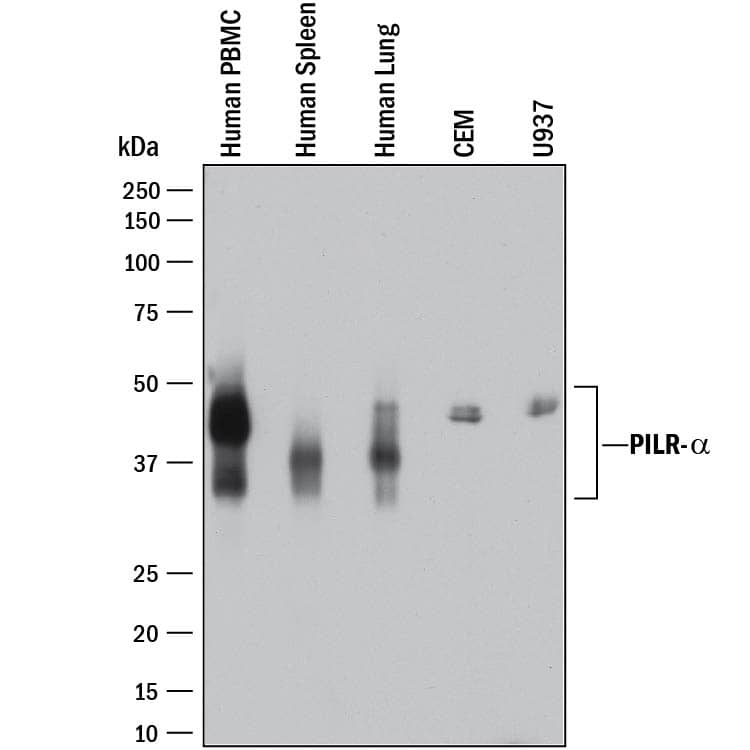
| Details: | Rabbit IgG Monoclonal Clone #2175D |
| Applications: | WB, Flow, IHC |
Conjugate
Catalog #
| Reactivity: | Human |
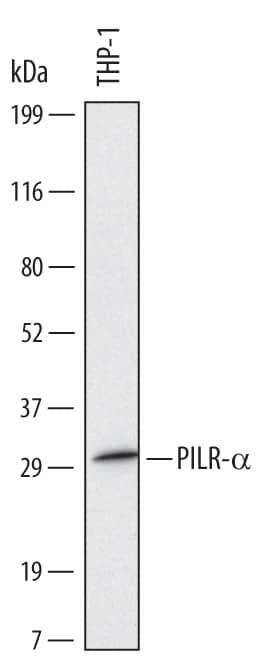
| Details: | Mouse IgG2a Monoclonal Clone #462415 |
| Applications: | WB |
Conjugate
Catalog #
| Reactivity: | Human |
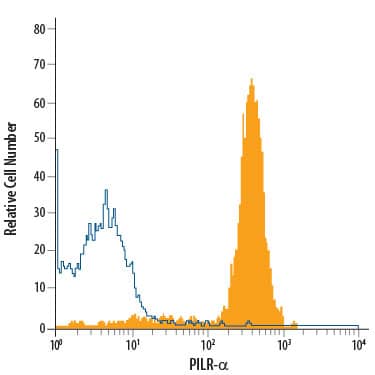
| Details: | Sheep IgG Polyclonal |
| Applications: | Flow |
Conjugate
Catalog #
| Reactivity: | Human |
| Details: | Sheep IgG Polyclonal |
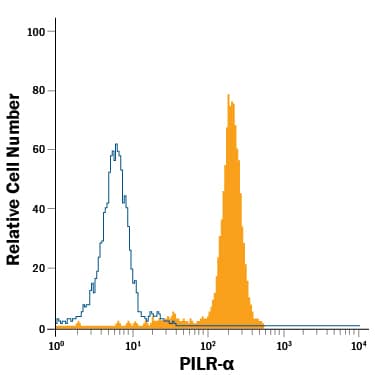
| Applications: | Flow |
Conjugate
Catalog #
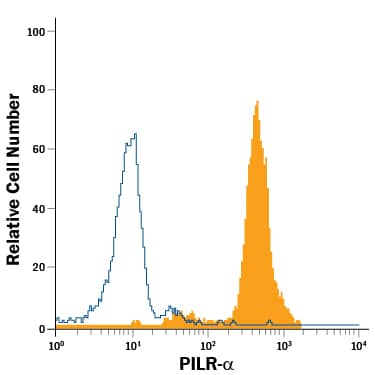
| Reactivity: | Human |
| Details: | Sheep IgG Polyclonal |
| Applications: | Flow |
Conjugate
Catalog #
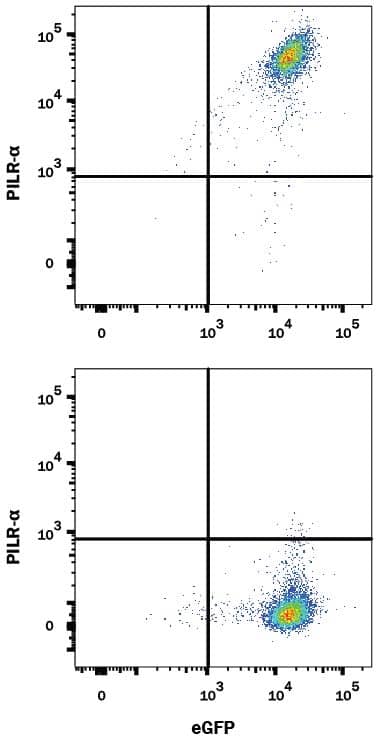
| Reactivity: | Human |
| Details: | Rabbit IgG Monoclonal Clone #2175D |
| Applications: | Flow |
Conjugate
Catalog #
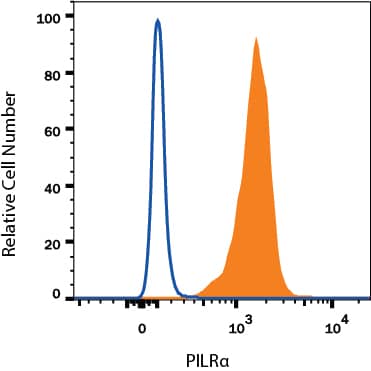
| Reactivity: | Human |
| Details: | Rabbit IgG Monoclonal Clone #2175D |
| Applications: | Flow |
Conjugate
Catalog #
| Reactivity: | Human |
| Details: | Rabbit IgG Monoclonal Clone #2175D |
| Applications: | Flow |
Conjugate
Catalog #